Compare nail trimming
Compare nail trimming
Blog Article
Specialist Dog Grooming: Maintain Your Pup Happy and Healthy
Professional dog grooming remains vitally important in promoting the vitality of pets. It surpasses surface-level concerns, managing wellness issues such as matting and dermatological matters. Regular grooming boosts aesthetic appeal and also deepens the bond between pets and their owners. Studying the grooming methodology and its merits can enable pet parents make sound choices. What aspects warrant your attention when picking a qualified grooming service? The conclusions might fascinate you.
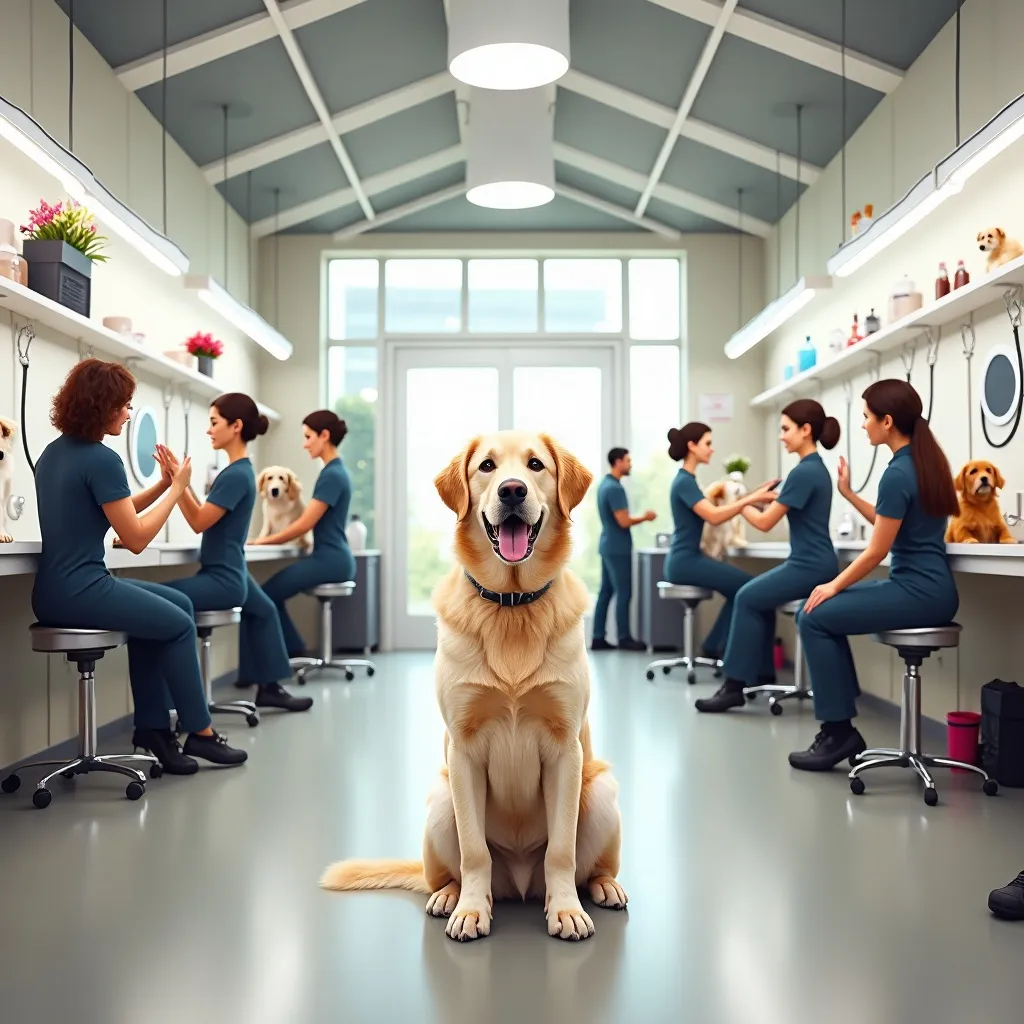
The Critical Role of Regular Dog Upkeep
Although countless dog owners may overlook grooming as a merely aesthetic consideration, the importance of consistent canine grooming stretches well past looks. Grooming holds a significant role in maintaining a dog's overall health and well-being. Frequent brushing eliminates loose fur and stops matting, which can lead to skin irritations and infections. It also promotes healthy skin by distributing natural oils, boosting coat shine and texture.
Also, grooming sessions permit owners to inspect their dogs for signs of parasites or skin conditions, enabling early detection and treatment. Nail trimming is an equally critical aspect; overgrown nails can cause discomfort walking and joint problems. Moreover, maintaining the ears and teeth prevents infections and dental diseases. Ultimately, regular grooming fosters a deeper bond between the dog and its owner, leading to a happier, healthier pet. Focusing on grooming is an essential responsibility that supports both physical well-being and emotional well-being.
Expectations for a Professional Grooming Session
During a professional grooming session, pet owners can anticipate a structured process aimed at enhance their pet's appearance and hygiene. Various tools and techniques will be employed to ensure successful grooming, customized to each canine's specific needs. Following the session, care instructions and upkeep advice will be given to help preserve the pet's well-groomed look.
The Key Personal Appearance Procedures Outlined
A expert grooming appointment typically includes several key steps created to improve a dog's appearance and well-being. At first, the groomer evaluates the dog's fur, skin condition, and general wellness, identifying any particular requirements. The first step often includes bathing the dog with suitable cleaning product, followed by thorough drying. After drying, the groomer combs through the fur to eliminate mats and shed hair. This is often succeeded by nail trimming and ear care, ensuring overall hygiene. Depending pertinent details on the breed, additional steps like clipping or styling may be performed to reach the desired look. Finally, the session concludes with a last check, making sure the dog appears and seems its best, prepared to depart the grooming salon happy and refreshed.
Tools and Techniques Utilized
Professional dog grooming requires a range of specialized tools and methods designed to guarantee optimal care and hygiene. Groomers usually use clippers for accurate fur trimming, providing a clean and stylish look. Shears are employed for detailed work, allowing for varied lengths and textures. Brushes and combs help untangle and remove loose fur, promoting a healthy coat. De-shedding tools may be used to minimize shedding and maintain cleanliness at home. Bathing equipment, including shampoos and conditioners designed for specific coat types, keeps the skin and fur in excellent condition. Additionally, nail clippers and grinders are essential for preserving paw health. Each tool has a unique function, making certain that every aspect of the dog's grooming needs is properly met.
Aftercare and Upkeep Guidelines
Grooming sessions not only enhance a dog's appearance but also contribute greatly to overall health and well-being. After a professional grooming appointment, it is essential for owners to follow specific aftercare guidelines to preserve their dog’s coat and skin. Regular brushing should continue at home, ideally multiple times weekly, to avoid tangles and get rid of shed hair. Bathing schedule should be moderate; excessive washing can remove natural oils. Owners should monitor their dog’s skin for any indications of inflammation or allergies, notifying concerns to a veterinarian if necessary. Hydration is vital, so fresh water should always be available. Finally, maintaining a consistent grooming schedule will help keep a dog looking and feeling its best year-round.
Essential Grooming Tools for Every Dog
Every dog owner should acquire key grooming implements to maintain their pet's health and appearance. A high-quality brush is critical, as it helps remove loose fur and debris while applying natural oils, keeping the coat shiny. For dogs with long hair, a slicker brush can deal with tangles effectively.
Nail clippers or polishers are critical for keeping paw health, preventing painful overgrowth. A gentle ear rinse can help avert infections, while animal-safe shampoos promise the skin stays vigorous during baths.
In addition, a grooming table can give a stable surface, rendering the grooming experience easier for both the dog and the owner.
Ultimately, purchasing a premium pair of scissors will help in trimming and finishing touches, guaranteeing the dog looks its best. Keeping these tools on hand permits owners to offer regular grooming, deepening the bond between them and their furry companions.
Why Consistent grooming Sustains Your Dog Well and healthy
Grooming serves as a crucial element in preserving a dog's complete health. Regular grooming helps confirm skin health by eliminating dirt and debris, while also avoiding matting that can cause discomfort. This consistent practice not only keeps a dog's coat in great shape but also supports their bodily health.
Skin Health Advantages
Regular coat care provides an fundamental protection for a dog's skin health, supporting overall well-being. It removes dirt, debris, and loose hair, preventing skin irritations and infections. By frequently brushing a dog's coat, the natural oils are distributed evenly, maximizing skin hydration and luster. In addition, grooming allows for early spotting of potential skin issues, such as rashes or parasites, enabling timely intervention. This preventative approach not only contributes to the dog's comfort but also reduces the risk of more serious health concerns. Moreover, grooming sessions can boost blood circulation, which promotes healthy skin regeneration. Overall, maintaining a consistent grooming routine is vital for ensuring ideal skin health and cultivating a happier, healthier pet.
Reduces Knotting Troubles
A consistent grooming routine not only promotes healthy skin but also plays an essential role in preventing matting issues. Mats can form when loose hair becomes tangled with the dog's fur, often leading to discomfort and skin irritations. Regular brushing removes dirt, debris, and dead hair, ensuring that the coat remains healthy and free-flowing. For long-haired breeds, daily grooming sessions is particularly important to prevent tangles and knots that can worsen if neglected. Additionally, professional groomers possess the expertise to identify early signs of matting and take appropriate action.
What's the Best Way to Choose a Grooming Provider?
When picking the ideal grooming service for a dog, pet owners often ask what considerations will guarantee their furry friend receives the best care. First, they should investigate the grooming facility's reputation, searching for customer feedback and reviews from other pet owners. A clean, well-organized setting demonstrates competence and meticulous care. Additionally, evaluating the personnel's qualifications and experience is crucial; certified groomers are often more knowledgeable about appropriate methods and breed-specific needs.
Pet owners should also inquire into the services offered, such as washing, nail clipping, and ear care, ensuring they match their dog's needs. Visiting the location beforehand can provide insight into how dogs are handled during grooming appointments. In conclusion, considering the groomer's proximity and pricing will help pet owners to reach an well-considered choice that fits their way of life and budget, eventually guaranteeing a positive grooming experience for their cherished companion.
Maintenance Pointers for Specific Breeds
Various dog breeds have unique care requirements that can greatly impact their well-being and look. For example, varieties such as Poodles need consistent care to avoid matting in their wavy fur, necessitating expert care every four to six weeks. In contrast, breeds with short hair such as Beagles gain from periodic combing to eliminate loose hair and distribute natural oils, making their grooming routine less demanding.
Long-haired types, such as Golden Retrievers, require more consistent brushing, ideally two to three times a week, to keep their coats tangle-free and healthy. Additionally, breeds with specific skin conditions, like Bulldogs, may need targeted products to maintain skin health. Consistent nail trimming is necessary for all breeds, but notably for those less active, as overgrown nails can result in discomfort. Knowing each animal's grooming requirements is key for promoting their overall well-being and joy.
Indicators Your Dog Needs Grooming Services
Recognizing the indications that a dog needs grooming services can markedly enhance its overall health and well-being. One of the most obvious indicators is matting in the fur, which can lead to skin irritations or infections if left untreated. In addition, an upsurge in shedding or a distinct odor may indicate that a grooming session is overdue.
Pups that often scratch or bite at their skin could be experiencing discomfort from tangled fur or parasites, necessitating immediate grooming attention. Moreover, overgrown nails can cause pain and difficulty in walking, making frequent nail trimming essential.
In conclusion, if a dog demonstrates a alteration in conduct, such as becoming more touchy or withdrawn during brushing, it might indicate that grooming is overdue. Responding to these signs promptly can confirm that a dog's coat stays healthy and maintain its overall well-being.
Regularly Posed Inquiries and Answers
How Consistent Should My Dog Grooming Schedule Be at Home?
Dogs should usually be trimmed every four to six weeks, depending on their coat type and shedding patterns. Regular brushing at home can help in maintaining coat health and minimize matting between professional grooming sessions.
Does Grooming Aid in Controlling Shedding Challenges?
Grooming can notably decrease shedding issues by eliminating loose fur and dander. Consistent brushing helps preserving a dog's coat, encouraging healthier skin and reducing allergens in the surroundings, ultimately creating a cleaner living space.
How Can I Handle the Issue if My Dog Dislikes Grooming?
If a dog dislikes grooming, patience is essential. Measured introduction to the grooming process, offering treats and praise, can help. Additionally, engaging a professional groomer for procedures tailored to the dog's specific needs may prove beneficial.
Do Aging Dogs Have Grooming Alternatives?
Grooming options for senior canines include gentle, low-stress techniques such as hand brushing, sponge baths, and using specialized tools. Ongoing maintenance helps keep their healthy skin condition and coat manageable, enhancing their overall comfort and wellbeing.
What Steps Should I Take to Ready My Dog for Grooming Appointments?
Preparing a dog for grooming appointments requires owners to introduce their pet with coat brushing, practice handling paws and ears, apply positive reinforcement, and schedule consistent appointments to develop a pleasant, worry-free grooming experience.
Report this page